
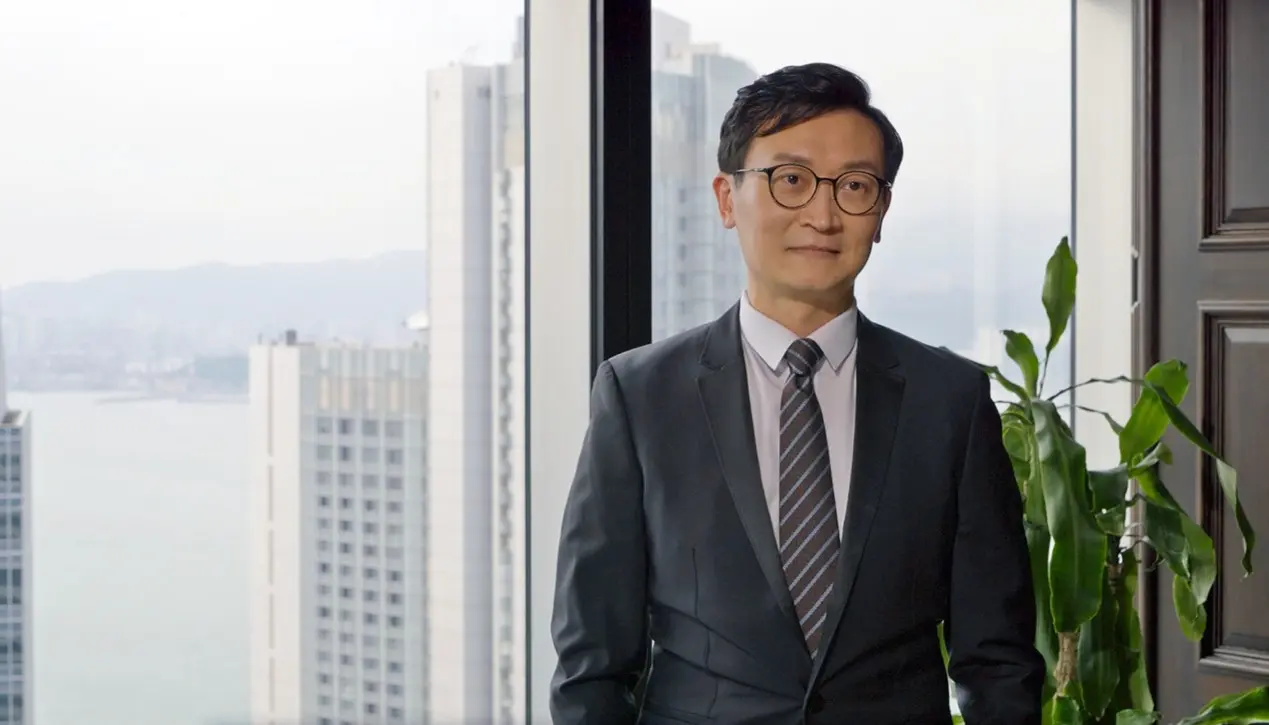
Roy Yip Wai‑lun, Hong Kong
hotel investor and founder of Raion Capital and the R Hotels & Resorts
brand.
Quake rumour fades as Hong Kong investor keeps buying Japanese hotels
Weak yen, new rail links and landlord-friendly rules convince veteran deal maker Roy Yip that Japan’s bricks still beat the whispers
In the weeks before July 5, East Asian social media buzzed with talk that manga artist Ryo Tatsuki had predicted a devastating Japanese earthquake.
Out of ungrounded fear, some travellers postponed their holidays, occupancy at some hotels sagged briefly – and then the date slipped by with nothing more than Japan’s familiar background tremors.
“That rumour definitely hurt us in early July,” says Hong Kong-born hotel investor Roy Yip Wai-lun.
Average occupancy across his Osaka properties dipped from the nineties to the high seventies, and one skittish buyer even delayed a contract signing until July 7 “just to be sure the prophecy had passed”.
Yip took the episode in stride, noting that sentiment can wobble, but the fundamentals keep marching on, with freehold title, flexible zoning and a tourism engine that’s only getting stronger.
Bricks, rails and runways
Those fundamentals are being reinforced. Kansai International Airport has just completed a ¥120 billion overhaul of Terminal 1 ahead of Osaka’s 2025 World Expo.
The Hokuriku Shinkansen extension now whisks passengers from Tokyo to Fukui 45 minutes faster, already lifting visitor numbers on the Sea-of-Japan coast, while Tokyo’s Haneda Airport has opened a larger international wing at Terminal 2, trimming transfer times and freeing up coveted long-haul slots.
Coupled with a weak yen, the Japan National Tourism Organisation expects arrivals this year to over 40 million.
In the year through June, Yip says each monthly revenue-per-available-room (RevPAR) figure in his hotels came in between 30 per cent and 100 per cent higher than the same month in 2024.
Put simply, every room he had to sell was earning at least a third more – and in some months double – what it earned a year ago. That surge, he argues, proves demand was tightening long before the revamped terminal even opens for its first full season.
From Hong Kong corridors to Kansai side streets
Yip’s journey began in the corridors of Hong Kong’s Harbour Plaza and Gold Coast hotels. By 2014, faced with stamp duty surcharges at home, he boarded a flight to Tokyo “looking for eggs outside the city”.
Prime residential stock there was yielding 6 per cent net, while secondary Osaka blocks nudged double digits. Japanese lenders charged barely 2 per cent and were comfortable at 70 per cent loan-to-value.
“You put in 30 per cent equity, service the loan out of rent and after fifteen years the building’s effectively free,” he recalls.
When Japan’s borders reopened in late 2022, Yip switched his focus from apartments to hotels. “We learnt from Sars how violently tourism rebounds in Hong Kong,” he says.
Within three years he had snapped up and re-branded more than a dozen sub-100-room buildings under his R Hotels & Resorts flag. An in-house team of architects, engineers and contractors can strip out a tired business hotel and reopen it in as little as two months.
“Speed is the edge; you buy value, refurbish quickly and catch the upswing in demand.”
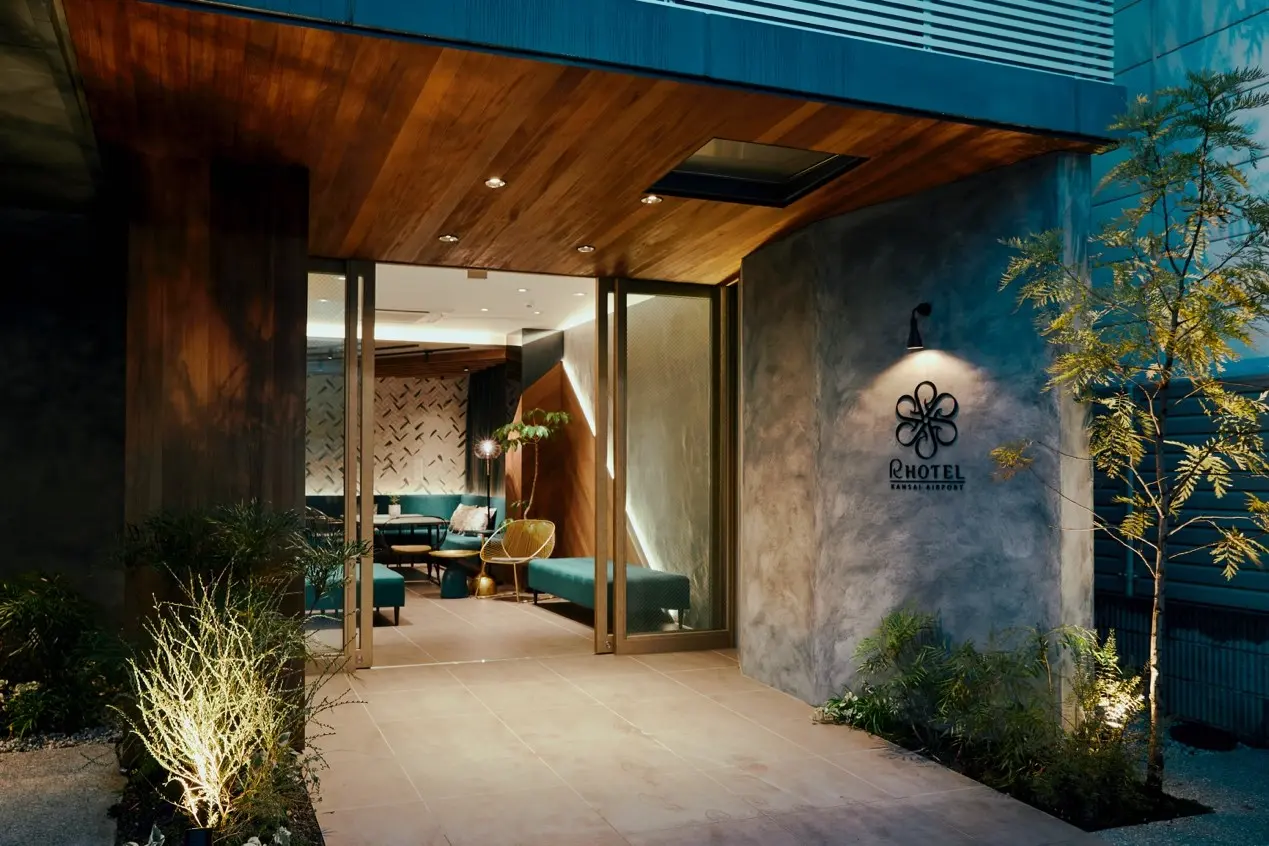
R Hotel Kansai Airport
Skin in the game
Purchases flow through Raion Capital, Yip’s investment platform. He keeps the structure simple, co-investing with like-minded partners and allowing each project to stand on its own merits.
“If a deal goes wrong, my money is first in line,” he says. That stance, he argues, builds the confidence needed to move fast in a market where the best off-market assets seldom wait long.
Transparency is a second pillar. Yip is happy to show partners operational data, occupancy, room rates, cost lines, for example, but avoids burying them in corporate jargon.
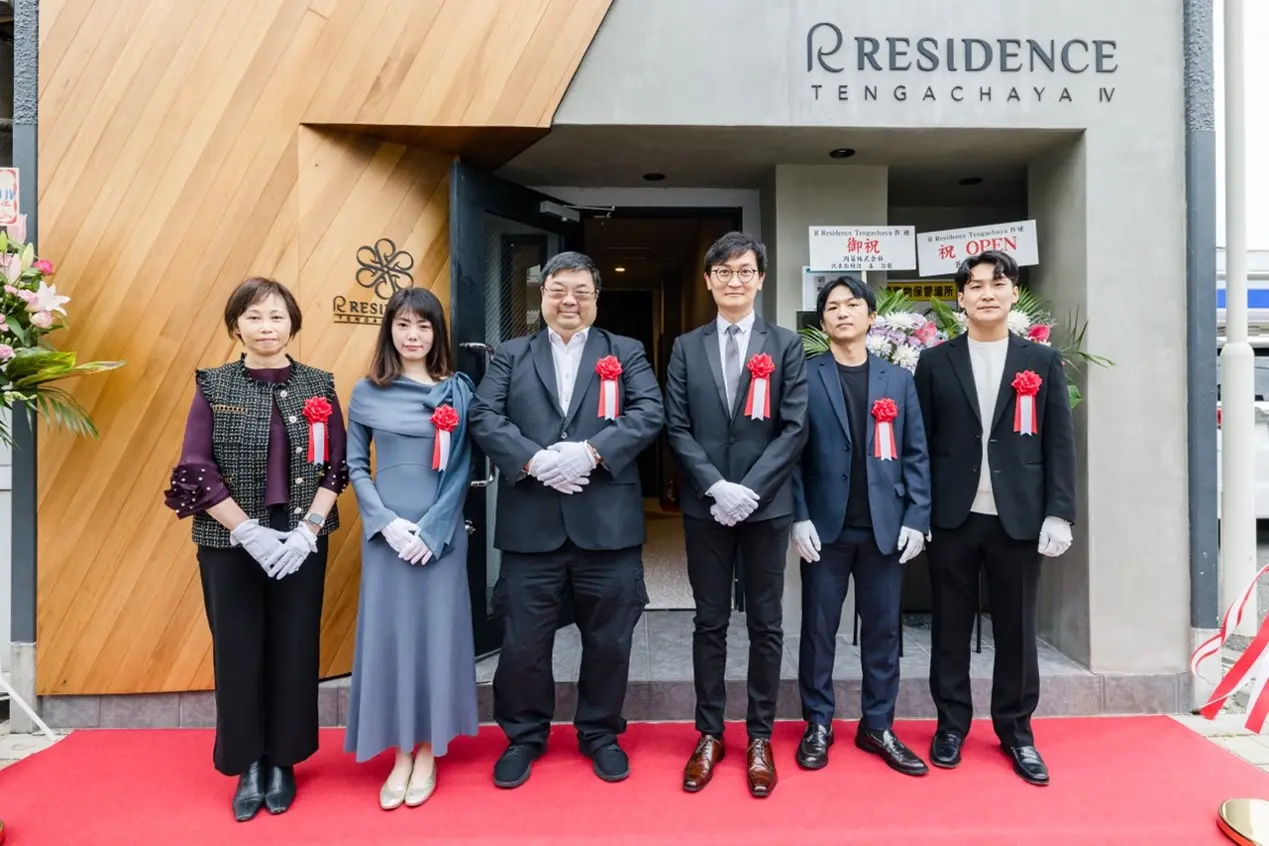
Roy Yip (centre) cuts the ribbon at the opening of R Residence Tengachaya IV in Osaka, unveiling the group’s newest serviced‑apartment property.
Latitude that landlords love
Japan’s planning code rewards speed and creativity. Commercial plots can switch to residential, hotel or office use without the protracted rezoning battles common in Hong Kong.
Yip has already converted one Tokyo block into co-living space and another into short-stay student accommodation. “That flexibility lets you adapt to economic cycles instead of fighting them,” he says.
Yet deal flow is tightening. “Capital is plentiful. The challenge is finding stock worth buying,” he notes.
Prime yields, once five per cent, have slipped towards four, but he insists operational uplift still offers attractive total returns.
His 20-plus operating hotels booked revenue gains of between 30 and 100 per cent in the first half of 2025, and the pipeline, he says, “is more constrained by asset availability than by money”.
Scouting the next wave
Yip is open to bringing in new partners[JC1] , likely institutional investors or family offices with enough heft to move the needle yet nimble enough to value on-the-ground execution.
He has no appetite for sprawling 500-room trophies. “We specialise in boutique hotels and build value step by step. Discipline is what keeps you standing when the market shakes.”
That credo runs through his newly published Chinese-language book, which traces his journey, recounts the challenges he overcame and flags the pitfalls would-be investors in Japanese real estate should avoid.
The first print-run sold out ahead of the Hong Kong Book Fair, and an English edition is in planning.
Weathering storms, real and imagined
Over the course of his journey Yip has endured the Sars outbreak, the Covid pandemic and, most recently, a manga-fuelled quake prophecy. Each time, he argues, the market’s underlying logic reasserts itself.
“Fear creates entry points,” he says with a grin. “I’m still buying.”